Tag: Bible

  • Understanding the Bible: A Brief Overview of its Structure and Internal Connections

    Understanding the Bible: A Brief Overview of its Structure and Internal Connections

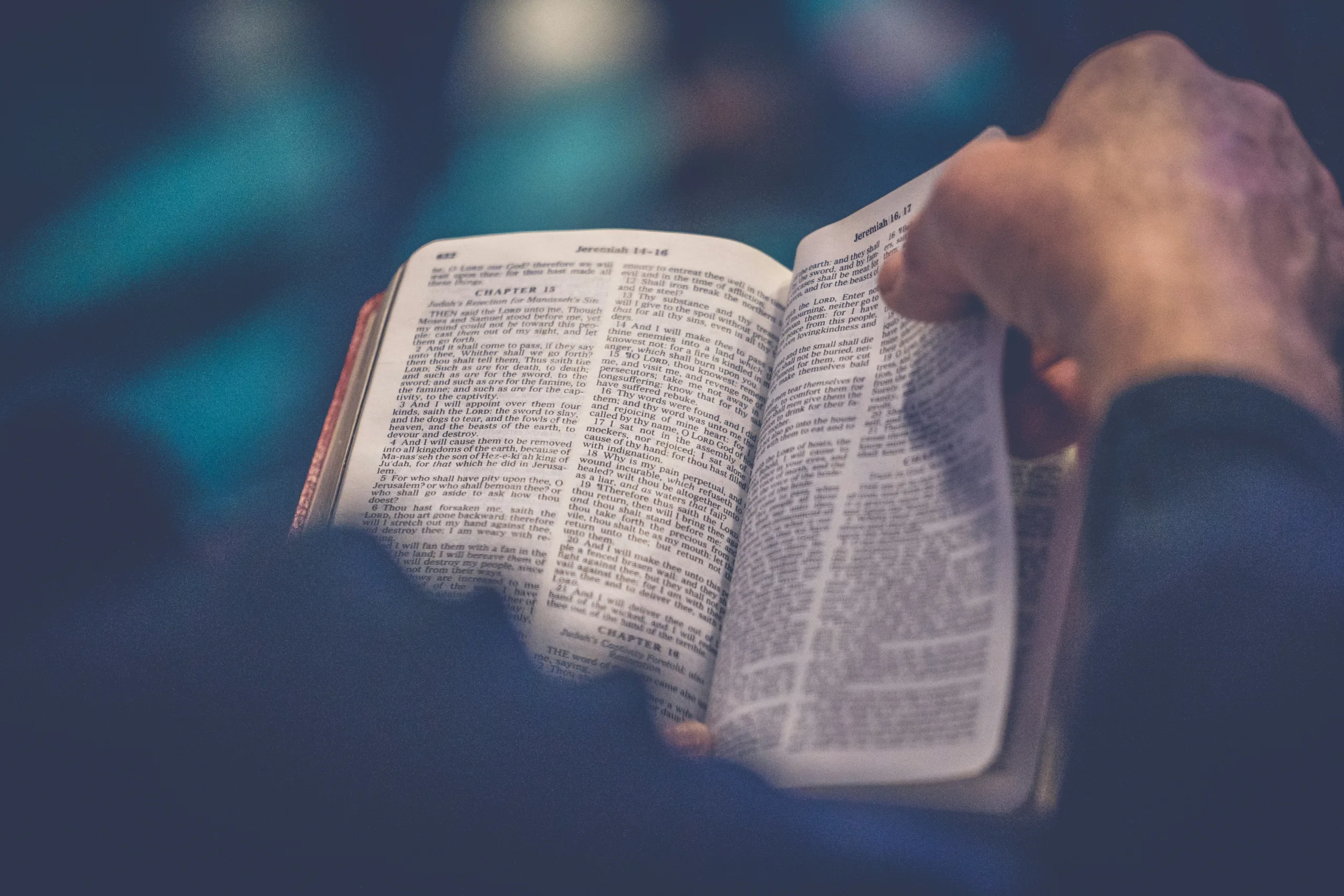
    Are you looking for an easy way to understand the full Bible in a short amount of time? The Bible is a vast collection of books that can sometimes feel overwhelming, but with a little guidance, you can gain a better understanding of its structure and the internal connections between its books.

    The Division of the Bible

    The Bible is divided into two main sections: the Old Testament and the New Testament. The Old Testament contains 39 books, while the New Testament consists of 27 books.

    The Old Testament is further divided into several categories:

    1. The Pentateuch: This section includes the first five books of the Bible – Genesis, Exodus, Leviticus, Numbers, and Deuteronomy. These books contain the foundation of the Hebrew faith and provide historical accounts, laws, and teachings.
    2. The Historical Books: These books, such as Joshua, Judges, and Samuel, narrate the history of the Israelites, including their conquest of the Promised Land, the rise and fall of kings, and the exile.
    3. The Wisdom Literature: This category includes books like Proverbs, Ecclesiastes, and Job, which offer insights into life, morality, and human nature.
    4. The Major Prophets: Isaiah, Jeremiah, Ezekiel, and Daniel are considered major prophets. Their writings contain prophecies, warnings, and messages from God to the people of Israel.
    5. The Minor Prophets: The twelve books from Hosea to Malachi are known as the Minor Prophets. These writings also contain prophetic messages and teachings.

    The New Testament can be categorized as follows:

    1. The Gospels: These books – Matthew, Mark, Luke, and John – narrate the life, teachings, death, and resurrection of Jesus Christ. They provide different perspectives on Jesus’ ministry.
    2. The Acts of the Apostles: This book, written by Luke, describes the early history of the Christian Church and the spread of the Gospel.
    3. The Epistles: The New Testament contains 21 letters or epistles written by various apostles, such as Paul, Peter, James, and John. These letters address specific issues, provide guidance, and offer encouragement to early Christian communities.
    4. The Book of Revelation: This final book of the Bible, written by John, is a prophetic vision of the end times and the ultimate triumph of good over evil.

    Internal Connections of the Bible Books

    While each book of the Bible can be read and understood on its own, there are also internal connections that weave a cohesive narrative throughout the entire Bible.

    One of the most significant connections is the promise of a Messiah or Savior. This promise is first mentioned in the book of Genesis and continues throughout the Old Testament. The New Testament then reveals Jesus Christ as the fulfillment of this promise.

    Another connection is the theme of redemption. The Old Testament portrays humanity’s need for redemption due to sin, while the New Testament presents Jesus’ sacrifice on the cross as the ultimate act of redemption.

    Additionally, many Old Testament stories and characters foreshadow events and teachings found in the New Testament. For example, the story of Noah’s Ark can be seen as a foreshadowing of baptism, and the Passover in Exodus prefigures the sacrifice of Jesus as the Lamb of God.

    Understanding these internal connections can deepen your appreciation for the Bible and help you see the bigger picture of God’s plan for humanity.

    While this brief overview provides a starting point for understanding the Bible, it is important to remember that the Bible is a rich and complex text that can be studied and interpreted in various ways. It is always beneficial to engage in further study, seek guidance from trusted sources, and participate in discussions with fellow believers to gain a deeper understanding of the Bible’s teachings.

    So, whether you are a beginner or have been studying the Bible for years, take the time to explore its structure and the connections between its books. You may be surprised by the profound insights and wisdom that await you.
  • The Importance of Reading the Bible and Its Impact on Christian Life

    The Importance of Reading the Bible and Its Impact on Christian Life

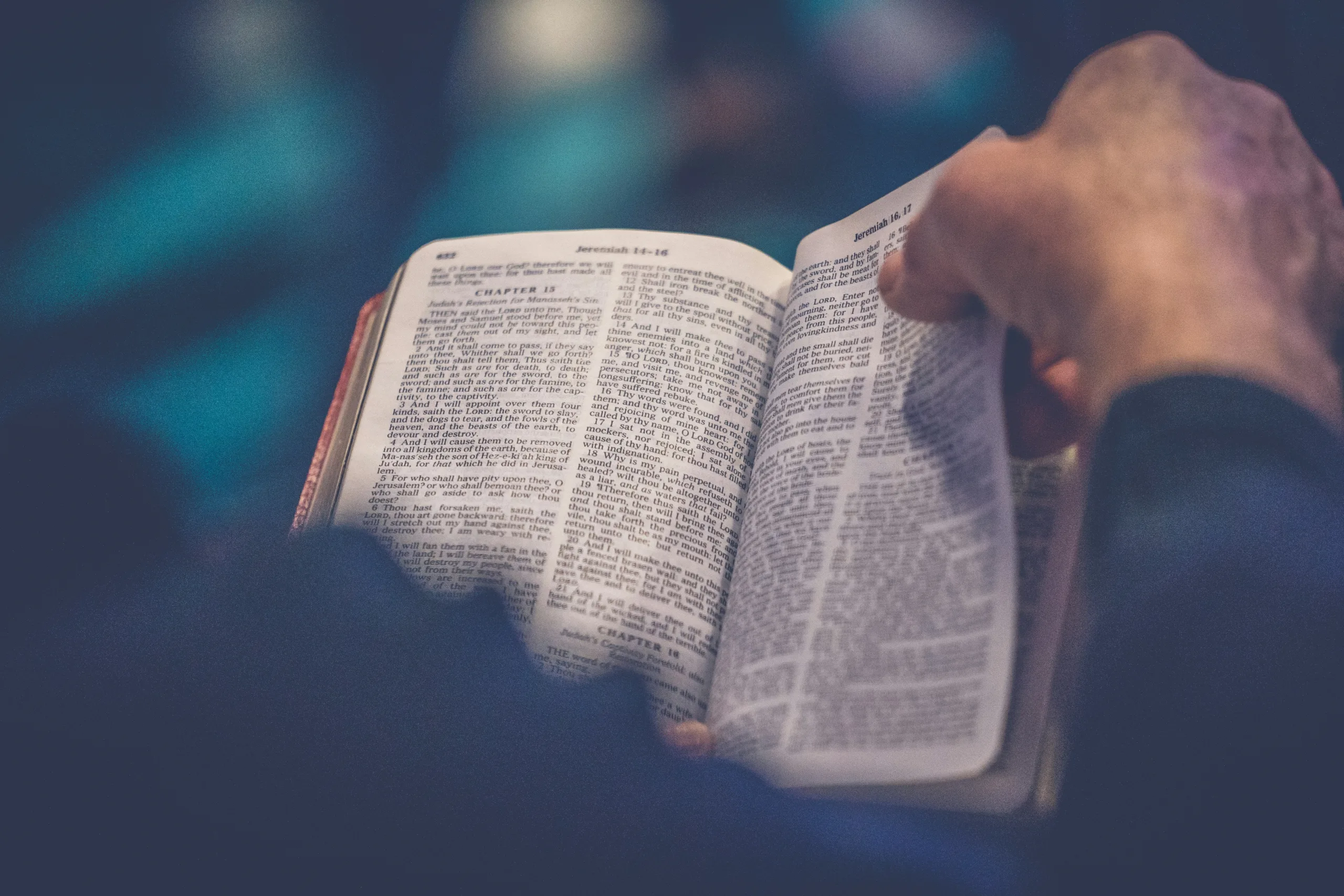
    As a Christian, the Bible holds a special place in our faith. It is not just a book but a divine guide that provides wisdom, encouragement, and guidance for our daily lives. In this blog post, we will explore the importance of reading the Bible and the significant impact it has on the Christian life.

    What is the Bible?

    The Bible is a collection of sacred texts and scriptures that are considered holy by Christians. It is divided into two main sections: the Old Testament and the New Testament. The Old Testament contains the religious writings of ancient Israel, while the New Testament focuses on the life, teachings, death, and resurrection of Jesus Christ.

    The Importance of Reading the Bible

    1. Spiritual Nourishment: Reading the Bible is like feeding our souls. Just as our physical bodies need food to survive, our spirits need spiritual nourishment. The Bible provides us with the wisdom, knowledge, and understanding necessary to grow in our faith and relationship with God.

    2. Guidance and Direction: The Bible serves as a roadmap for our lives. It provides guidance and direction in making decisions, facing challenges, and overcoming obstacles. Through its teachings, we can find answers to life’s questions and gain insight into God’s will for our lives.

    3. Source of Encouragement: Life can be tough, and we all face trials and tribulations. The Bible offers comfort and encouragement in times of difficulty. Its words remind us of God’s faithfulness, love, and promises. By reading the Bible, we can find strength and hope to persevere through the storms of life.

    4. Transformation: The Bible has the power to transform our lives. As we read and meditate on its teachings, our hearts and minds are renewed. It challenges us to live according to God’s principles and values, leading us to become more like Christ. Through the Bible, we are continually transformed into better versions of ourselves.

    The Impact of Reading the Bible on Christian Life

    1. Deepening Relationship with God: The more we read the Bible, the closer we grow to God. It is through the Scriptures that we learn about His character, His love for us, and His plan for salvation. By spending time in His Word, we develop a deeper connection with Him and experience His presence in our lives.

    2. Increased Faith: Reading the Bible strengthens our faith. It reminds us of God’s faithfulness throughout history and His promises for the future. As we see His faithfulness in the lives of biblical characters, we are inspired to trust Him in our own lives. Our faith is strengthened as we witness the fulfillment of His promises and experience His goodness firsthand.

    3. Renewed Mindset: The Bible has the power to renew our minds and transform our thinking. It helps us align our thoughts with God’s truth and reject worldly perspectives. By meditating on Scripture, we develop a biblical worldview and gain wisdom to make godly choices in every aspect of our lives.

    4. Empowered Living: The Bible equips us to live a life empowered by the Holy Spirit. It provides us with the tools we need to resist temptation, overcome sin, and walk in obedience to God’s commands. Through the power of the Word, we are empowered to live a life that brings glory to God and reflects His love to the world.

    In conclusion, reading the Bible is of utmost importance for every Christian. It nourishes our spirits, guides our steps, encourages our hearts, and transforms our lives. By reading and studying the Scriptures, we deepen our relationship with God, increase our faith, renew our minds, and live empowered lives. Let us make reading the Bible a daily habit and allow its profound impact to shape us into the image of Christ.