Welcome to WordPress. This is your first post. Edit or delete it, then start writing!
Author: rahim4christ
-
20 Important Places of the Old Testament with Bible References
Introduction
The Old Testament is a rich source of history and spirituality, containing numerous significant places that played a crucial role in biblical events. Understanding the meanings, significance, and purposes of these places can deepen our understanding of the Old Testament and its teachings. In this article, we will explore 20 important places of the Old Testament, along with their proper Bible references.
1. Garden of Eden
Bible Reference: Genesis 2:8-15
Meaning: “Delight” or “Pleasure”
Significance: The Garden of Eden was the paradise where God created Adam and Eve, symbolizing the perfect relationship between God and humanity before the fall.
2. Mount Sinai
Bible Reference: Exodus 19:1-20
Meaning: “From the thorny or brambly mountain”
Significance: Mount Sinai is where God gave Moses the Ten Commandments, establishing the covenant between God and the Israelites.
3. Promised Land (Canaan)
Bible Reference: Genesis 12:1-7
Meaning: “Lowland” or “Subdued”
Significance: The Promised Land was the land God promised to give to Abraham and his descendants, the Israelites. It holds great importance in Jewish history and culture.
4. Jericho
Bible Reference: Joshua 6:1-27
Meaning: “Fragrant”
Significance: Jericho was the first city the Israelites conquered after entering the Promised Land. Its walls fell miraculously after the Israelites marched around it for seven days.
5. Mount Moriah
Bible Reference: Genesis 22:1-19
Meaning: “Chosen by Yahweh”
Significance: Mount Moriah is where Abraham was tested by God to sacrifice his son Isaac. It is also the site where Solomon built the First Temple in Jerusalem.
6. The Red Sea
Bible Reference: Exodus 14:21-31
Meaning: “Sea of Reeds”
Significance: The Red Sea was miraculously parted by God, allowing the Israelites to escape from the pursuing Egyptian army during the Exodus.
7. Mount Carmel
Bible Reference: 1 Kings 18:16-46
Meaning: “Garden” or “Vineyard of God”
Significance: Mount Carmel is where the prophet Elijah challenged the prophets of Baal and proved the supremacy of the God of Israel by calling down fire from heaven.
8. Babylon
Bible Reference: 2 Kings 24:10-16
Meaning: “Gate of God”
Significance: Babylon was the capital of the Babylonian Empire and the place where the Israelites were exiled after the fall of Jerusalem in 586 BCE.
9. Mount Horeb
Bible Reference: Exodus 3:1-6
Meaning: “Desert” or “Solitude”
Significance: Mount Horeb is where Moses encountered the burning bush and received his divine calling to lead the Israelites out of Egypt.
10. Bethlehem
Bible Reference: Micah 5:2
Meaning: “House of Bread”
Significance: Bethlehem is the birthplace of King David and the birthplace of Jesus Christ, fulfilling the Messianic prophecies.
11. Mount Zion
Bible Reference: 2 Samuel 5:6-10
Meaning: “Fortification” or “Citadel”
Significance: Mount Zion is the hill in Jerusalem where King David established his capital and where the Temple of Jerusalem was built.
12. Mount Nebo
Bible Reference: Deuteronomy 34:1-6
Meaning: “Prophet” or “Oracle”
Significance: Mount Nebo is where Moses stood and saw the Promised Land before he died. It is also believed to be his burial place.
13. The Jordan River
Bible Reference: Joshua 3:14-17
Meaning: “Descender” or “Flowing down”
Significance: The Jordan River was crossed by the Israelites under Joshua’s leadership, symbolizing their entry into the Promised Land.
14. Mount Sinai
Bible Reference: Exodus 19:1-20
Meaning: “From the thorny or brambly mountain”
Significance: Mount Sinai is where God gave Moses the Ten Commandments, establishing the covenant between God and the Israelites.
15. The Tabernacle
Bible Reference: Exodus 26:1-37
Meaning: “Dwelling place”
Significance: The Tabernacle was a portable sanctuary where God dwelt among the Israelites during their journey in the wilderness.
16. The Ark of the Covenant
Bible Reference: Exodus 25:10-22
Meaning: “Chest” or “Container”
Significance: The Ark of the Covenant was a sacred chest that contained the stone tablets of the Ten Commandments and represented God’s presence among the Israelites.
17. Mount Gilboa
Bible Reference: 1 Samuel 31:1-13
Meaning: “Fountain of boiling water”
Significance: Mount Gilboa is where King Saul and his sons were killed in battle against the Philistines, marking the end of Saul’s reign.
18. The Valley of Elah
Bible Reference: 1 Samuel 17:1-58
Meaning: “Oak”
Significance: The Valley of Elah is where David defeated Goliath, showcasing his faith in God and his anointing as the future king of Israel.
19. Mount Carmel
Bible Reference: 1 Kings 18:16-46
Meaning: “Garden” or “Vineyard of God”
Significance: Mount Carmel is where the prophet Elijah challenged the prophets of Baal and proved the supremacy of the God of Israel by calling down fire from heaven.
20. The Tower of Babel
Bible Reference: Genesis 11:1-9
Meaning: “Confusion”
Significance: The Tower of Babel was a symbol of human pride and rebellion against God. It led to the dispersion of people and the creation of different languages.
Conclusion
These 20 important places of the Old Testament carry profound meanings, historical significance, and spiritual lessons. Exploring these locations deepens our understanding of the biblical narrative and the relationship between God and humanity. By studying these places, we can gain insights into the faith, culture, and history of the ancient Israelites, and draw inspiration for our own spiritual journeys.
-
20 Important Characters of the New Testament with Proper Bible References
Introduction
The New Testament is a collection of sacred texts that form the second part of the Christian Bible. It consists of various books that provide accounts of the life, teachings, death, and resurrection of Jesus Christ, as well as the early Christian community. Within these texts, numerous characters play significant roles in advancing the narrative and conveying important messages. In this blog post, we will explore 20 important characters of the New Testament, providing their names, brief introductions, purposes, tasks, and relevant Bible references.
1. Jesus Christ
Meaning: “God saves”
Introduction: Jesus Christ is the central figure of the New Testament, believed by Christians to be the Son of God and the Messiah. He is revered as the savior who came to redeem humanity.
Purpose: To fulfill prophecies, teach about God’s kingdom, perform miracles, die on the cross for humanity’s sins, and rise from the dead.
Task: Jesus’ primary task was to bring salvation to humanity by offering himself as a sacrifice.Bible References: Matthew 1:21, John 3:16, Luke 24:6
2. Mary, Mother of Jesus
Meaning: “Wished-for child”
Introduction: Mary is the mother of Jesus Christ, chosen by God to bear His son. She is highly revered in Christianity.
Purpose: To give birth to Jesus, nurture him, and support his mission.
Task: Mary’s task was to raise Jesus and provide him with a loving and supportive environment.Bible References: Luke 1:30-31, Luke 2:7, John 2:1-5
3. John the Baptist
Meaning: “God is gracious”
Introduction: John the Baptist was a prophet who prepared the way for Jesus Christ. He baptized people and preached repentance.
Purpose: To announce the coming of the Messiah and prepare people for his ministry.
Task: John’s task was to baptize Jesus and testify to his identity as the Son of God.Bible References: Matthew 3:1-3, Mark 1:4, John 1:29-34
4. Peter (Simon Peter)
Meaning: “Rock”
Introduction: Peter was one of Jesus’ closest disciples and later became a prominent leader in the early Christian church.
Purpose: To be a witness of Jesus’ ministry and spread the gospel.
Task: Peter’s task was to proclaim Jesus as the Messiah, preach the gospel, and establish the foundations of the Christian church.Bible References: Matthew 4:18, Matthew 16:18, Acts 2:14-41
5. Paul (Apostle Paul)
Meaning: “Small” or “Humble”
Introduction: Paul, formerly known as Saul, was a zealous persecutor of Christians before his conversion. He became an influential apostle and writer of several New Testament books.
Purpose: To spread the gospel to the Gentiles and establish Christian communities.
Task: Paul’s task was to preach the teachings of Jesus Christ, establish churches, and write letters to guide and encourage early believers.Bible References: Acts 9:1-22, Acts 13:2-3, Romans 1:1
6. John the Apostle
Meaning: “Yahweh is gracious”
Introduction: John was one of the twelve apostles and is known as the author of the Gospel of John, three epistles, and the book of Revelation.
Purpose: To witness Jesus’ ministry, teachings, death, and resurrection.
Task: John’s task was to record and share his experiences with Jesus and convey important theological messages.Bible References: Matthew 4:21, John 13:23, Revelation 1:1
7. James (James the Greater)
Meaning: “Supplanter”
Introduction: James was one of the twelve apostles and the brother of John. He was one of the inner circle of disciples closest to Jesus.
Purpose: To witness Jesus’ ministry and be a part of his inner circle.
Task: James’ task was to support Jesus’ mission and later become a leader in the early Christian community.Bible References: Matthew 4:21, Matthew 17:1, Acts 12:2
8. John the Evangelist
Meaning: “Yahweh is gracious”
Introduction: John the Evangelist, also known as John the Beloved, was a disciple of Jesus and the author of the Gospel of John.
Purpose: To witness Jesus’ ministry and convey his teachings through writing.
Task: John’s task was to write a gospel that emphasized Jesus’ divinity and love for humanity.Bible References: Matthew 4:21, John 19:26, John 20:2
9. Matthew (Levi)
Meaning: “Gift of God”
Introduction: Matthew was one of the twelve apostles and a tax collector before he followed Jesus. He wrote the Gospel of Matthew.
Purpose: To witness Jesus’ ministry and convey his teachings through writing.
Task: Matthew’s task was to write a gospel that focused on Jesus’ teachings, fulfillment of Old Testament prophecies, and his role as the Messiah.Bible References: Matthew 9:9, Matthew 10:3, Matthew 28:19
10. Mary Magdalene
Meaning: “Bitter” or “Rebellious”
Introduction: Mary Magdalene was a follower of Jesus and one of the women present at his crucifixion and resurrection.
Purpose: To witness Jesus’ ministry, death, and resurrection.
Task: Mary Magdalene’s task was to support Jesus’ ministry and be a witness to his resurrection.Bible References: Luke 8:2, Mark 15:40-41, John 20:1-18
11. Thomas (Doubting Thomas)
Meaning: “Twin”
Introduction: Thomas was one of the twelve apostles and is known for his initial doubt regarding Jesus’ resurrection.
Purpose: To witness Jesus’ ministry and be a part of his inner circle.
Task: Thomas’ task was to spread the gospel and later become a martyr for his faith.Bible References: Matthew 10:3, John 20:24-29, Acts 1:13
12. Judas Iscariot
Meaning: “Praise”
Introduction: Judas Iscariot was one of the twelve apostles who betrayed Jesus by identifying him to the religious authorities.
Purpose: To be one of the twelve apostles and witness Jesus’ ministry.
Task: Judas’ task was to be a disciple of Jesus, but he ultimately betrayed him, leading to Jesus’ arrest and crucifixion.Bible References: Matthew 10:4, Matthew 26:14-16, Matthew 27:3-5
13. Mary and Martha
Meaning: Mary – “Bitter” or “Rebellious,” Martha – “Lady” or “Mistress”
Introduction: Mary and Martha were sisters who were close friends of Jesus.
Purpose: To provide hospitality and support Jesus’ ministry.
Task: Mary and Martha’s task was to host Jesus and his disciples, listen to his teachings, and demonstrate faith and devotion.Bible References: Luke 10:38-42, John 11:1-44, John 12:1-8
14. Mary, Mother of James
Meaning: “Wished-for child”
Introduction: Mary, the mother of James, was one of the women present at Jesus’ crucifixion and resurrection.
Purpose: To witness Jesus’ ministry, death, and resurrection.
Task: Mary’s task was to support Jesus’ ministry and be a witness to his crucifixion and resurrection.Bible References: Matthew 27:56, Mark 15:40-47, Mark 16:1-8
15. Stephen
Meaning: “Crown”
Introduction: Stephen was one of the first deacons in the early Christian church and the first Christian martyr.
Purpose: To serve the early Christian community and defend the faith.
Task: Stephen’s task was to assist in the distribution of food and aid to the needy and boldly proclaim the gospel, even in the face of persecution.Bible References: Acts 6:5, Acts 7:54-60, Acts 8:1-2
16. Timothy
Meaning: “Honoring God”
Introduction: Timothy was a companion and disciple of Paul, known for his faithfulness and commitment to the Christian mission.
Purpose: To assist Paul in his ministry and spread the gospel.
Task: Timothy’s task was to accompany Paul, learn from him, and later become a leader in the early Christian community.Bible References: Acts 16:1-3, 1 Timothy 1:2, 2 Timothy 1:5
17. Titus
Meaning: “Defender”
Introduction: Titus was a companion and disciple of Paul, known for his organizational skills and leadership abilities.
Purpose: To assist Paul in his ministry and establish order in the early Christian communities.
Task: Titus’ task was to accompany Paul, support his teachings, and help establish and strengthen churches.Bible References: 2 Corinthians 2:13, Titus 1:4, Titus 3:12
18. Barnabas
Meaning: “Son of Encouragement”
Introduction: Barnabas was an early Christian leader and companion of Paul, known for his generosity and encouragement.
Purpose: To support and encourage the early Christian community.
Task: Barnabas’ task was to accompany Paul, provide financial support, and encourage new believers.Bible References: Acts 4:36, Acts 9:27, Acts 11:22-26
19. Silas (Silvanus)
Meaning: “Wood” or “Forest”
Introduction: Silas was a companion and fellow missionary of Paul, known for his resilience and commitment to the gospel.
Purpose: To assist Paul in his ministry and spread the gospel.
Task: Silas’ task was to accompany Paul, preach the gospel, and encourage believers in various cities.Bible References: Acts 15:22, Acts 16:19-40, 1 Peter 5:12
20. Lydia
Meaning: “Noble one”
Introduction: Lydia was a prominent businesswoman who became one of the first converts to Christianity in Europe.
Purpose: To support the early Christian community and spread the gospel.
Task: Lydia’s task was to provide hospitality, financial support, and be a witness to the gospel in her community.Bible References: Acts 16:14-15, Acts 16:40, Acts 18:24-26
Conclusion
These 20 important characters of the New Testament played significant roles in advancing the narrative and spreading the teachings of Jesus Christ. Through their various tasks and purposes, they contributed to the establishment and growth of the early Christian community. Their stories continue to inspire and guide believers today as they learn from their faith, dedication, and commitment to the gospel.
-
20 Important Characters of the Old Testament with Bible References
When exploring the Old Testament, we encounter a rich tapestry of characters who played significant roles in shaping biblical history. These individuals, with their unique names and meanings, were chosen by God for specific purposes and tasks. Let’s delve into the lives of 20 important characters from the Old Testament, understanding their names, brief introductions, and the roles they fulfilled.
1. Adam
Meaning: “Man”
Adam was the first man created by God, placed in the Garden of Eden. His purpose was to cultivate and care for the garden, and he held the task of naming all the animals (Genesis 2:15-20).
2. Noah
Meaning: “Rest” or “Comfort”
Noah was chosen by God to build an ark and save his family and a pair of every animal from the great flood (Genesis 6:9-22). His purpose was to preserve life and start afresh after the floodwaters receded.
3. Abraham
Meaning: “Father of Many Nations”
Abraham was called by God to leave his homeland and become the father of a great nation (Genesis 12:1-3). His purpose was to establish a covenant with God, and through his descendants, bring blessings to all nations.
4. Sarah
Meaning: “Princess”
Sarah was Abraham’s wife, and despite her old age, she miraculously gave birth to Isaac (Genesis 17:15-21). Her purpose was to fulfill God’s promise of a son and become the mother of nations.
5. Moses
Meaning: “Drawn Out”
Moses was chosen by God to lead the Israelites out of slavery in Egypt (Exodus 3:1-10). His purpose was to deliver God’s people and lead them to the Promised Land.
6. Aaron
Meaning: “Exalted One”
Aaron was Moses’ brother and the first high priest of Israel (Exodus 28:1-4). His purpose was to serve as a mediator between God and the people, offering sacrifices and interceding on their behalf.
7. Joshua
Meaning: “Yahweh is Salvation”
Joshua succeeded Moses as the leader of Israel and led them into the Promised Land (Joshua 1:1-9). His purpose was to conquer Canaan and establish the Israelites in their inheritance.
8. David
Meaning: “Beloved”
David was anointed by God as the king of Israel and became known as a man after God’s own heart (1 Samuel 16:13). His purpose was to unite the nation, establish Jerusalem as its capital, and prepare the way for the coming Messiah.
9. Solomon
Meaning: “Peaceful”
Solomon, David’s son, was renowned for his wisdom and wealth (1 Kings 3:5-14). His purpose was to build the magnificent temple in Jerusalem and rule over a time of peace and prosperity.
10. Elijah
Meaning: “Yahweh is My God”
Elijah was a prophet who confronted the idolatry of his time and performed miracles (1 Kings 18:20-39). His purpose was to call the people of Israel back to the worship of the true God.
11. Esther
Meaning: “Star”
Esther was a Jewish queen who courageously saved her people from destruction (Esther 4:13-16). Her purpose was to fulfill God’s plan by using her position to advocate for her fellow Jews.
12. Job
Meaning: “Persecuted”
Job was a righteous man who faced immense suffering but remained faithful to God (Job 1:1-22). His purpose was to demonstrate unwavering faith and trust in God, even in the midst of trials.
13. Jonah
Meaning: “Dove”
Jonah was a prophet who initially resisted God’s call to preach to the people of Nineveh (Jonah 1:1-3). His purpose was to teach the importance of repentance and God’s mercy.
14. Ruth
Meaning: “Companion”
Ruth was a Moabite woman who showed great loyalty and devotion to her mother-in-law, Naomi (Ruth 1:16-17). Her purpose was to become an ancestor of King David and part of the Messianic lineage.
15. Isaiah
Meaning: “Yahweh is Salvation”
Isaiah was a prophet who proclaimed messages of judgment and hope to the people of Israel (Isaiah 1:1-31). His purpose was to call the nation to repentance and foretell the coming of the Messiah.
16. Jeremiah
Meaning: “Yahweh Exalts”
Jeremiah was a prophet who warned the people of Israel about impending judgment and the need for repentance (Jeremiah 1:4-10). His purpose was to call the nation to turn back to God and to prophesy about the future restoration of Israel.
17. Daniel
Meaning: “God is My Judge”
Daniel was a wise and faithful servant of God who interpreted dreams and visions (Daniel 2:26-28). His purpose was to provide guidance and insight during the Babylonian exile and reveal God’s plan for the future.
18. Esther
Meaning: “Star”
Esther was a Jewish queen who courageously saved her people from destruction (Esther 4:13-16). Her purpose was to fulfill God’s plan by using her position to advocate for her fellow Jews.
19. Nehemiah
Meaning: “Comforted by Yahweh”
Nehemiah was a cupbearer to the king of Persia and led the rebuilding of Jerusalem’s walls (Nehemiah 2:1-8). His purpose was to restore the city and its people, both physically and spiritually.
20. Ezra
Meaning: “Helper”
Ezra was a priest and scribe who led the people of Israel in returning to the Law of Moses (Ezra 7:6-10). His purpose was to restore the people’s commitment to God’s Word and reestablish proper worship.
These 20 characters from the Old Testament played vital roles in God’s plan for humanity. Their stories inspire us to trust in God’s faithfulness, seek His guidance, and fulfill the purposes He has for each of our lives.
-
Understanding the New Testament: A Message, Purpose, and Bigger Picture
When it comes to the Bible, the New Testament holds a special place for Christians around the world. It is a collection of books that contain the teachings, life, and ministry of Jesus Christ, as well as the writings of the apostles and early Christian leaders. In this blog post, we will explore the message, purpose, and the bigger picture of the New Testament, supported by relevant Bible verses and references.
The Message of the New Testament
The central message of the New Testament can be summed up in one word: redemption. It is through Jesus Christ that humanity can find forgiveness, salvation, and eternal life. The New Testament reveals God’s love for humanity and His plan to reconcile us to Himself.
One of the most well-known verses that captures this message is John 3:16: “For God so loved the world, that he gave his only Son, that whoever believes in him should not perish but have eternal life.” This verse emphasizes the sacrificial love of God and the offer of eternal life through faith in Jesus.
In addition to the message of redemption, the New Testament also teaches us about the kingdom of God, the importance of love, forgiveness, and the power of the Holy Spirit. These themes are woven throughout the various books and letters, providing guidance and encouragement for believers.
The Purpose of the New Testament
The New Testament serves several purposes in the life of a Christian. Firstly, it provides a historical account of the life, death, and resurrection of Jesus Christ. It gives us insight into His teachings, miracles, and interactions with people. Through the New Testament, we can learn from His example and apply His teachings to our own lives.
Secondly, the New Testament serves as a guide for Christian living. It contains moral teachings, ethical guidelines, and practical advice for believers. For example, in the Sermon on the Mount (Matthew 5-7), Jesus teaches about humility, forgiveness, and loving one’s enemies.
Furthermore, the New Testament provides theological insights into the nature of God, the person of Jesus Christ, and the work of the Holy Spirit. It helps us understand the Trinity, the concept of grace, and the role of faith in our relationship with God.
The Bigger Picture of the New Testament
When we zoom out and look at the bigger picture of the New Testament, we see that it is part of a larger narrative of God’s redemptive plan for humanity. The Old Testament sets the stage by revealing God’s covenant with the Israelites and their need for a Savior. The New Testament then introduces Jesus as the long-awaited Messiah who fulfills the prophecies and brings salvation to all people.
Throughout the New Testament, we see the establishment of the early Christian church and the spread of the gospel message. The book of Acts, in particular, chronicles the growth of the early church and the missionary journeys of the apostles.
The New Testament also provides hope for the future. It speaks of the second coming of Jesus and the promise of a new heaven and a new earth. Revelation 21:4 encourages believers with these words: “He will wipe away every tear from their eyes, and death shall be no more, neither shall there be mourning, nor crying, nor pain anymore, for the former things have passed away.”
As we read and study the New Testament, it is important to approach it with reverence, humility, and a desire to grow in our faith. It is a book that has the power to transform lives and bring us closer to God.
In conclusion, the New Testament carries a powerful message of redemption, serves as a guide for Christian living, and fits into the larger narrative of God’s redemptive plan. By studying and applying its teachings, we can deepen our understanding of God’s love and purpose for our lives.
-
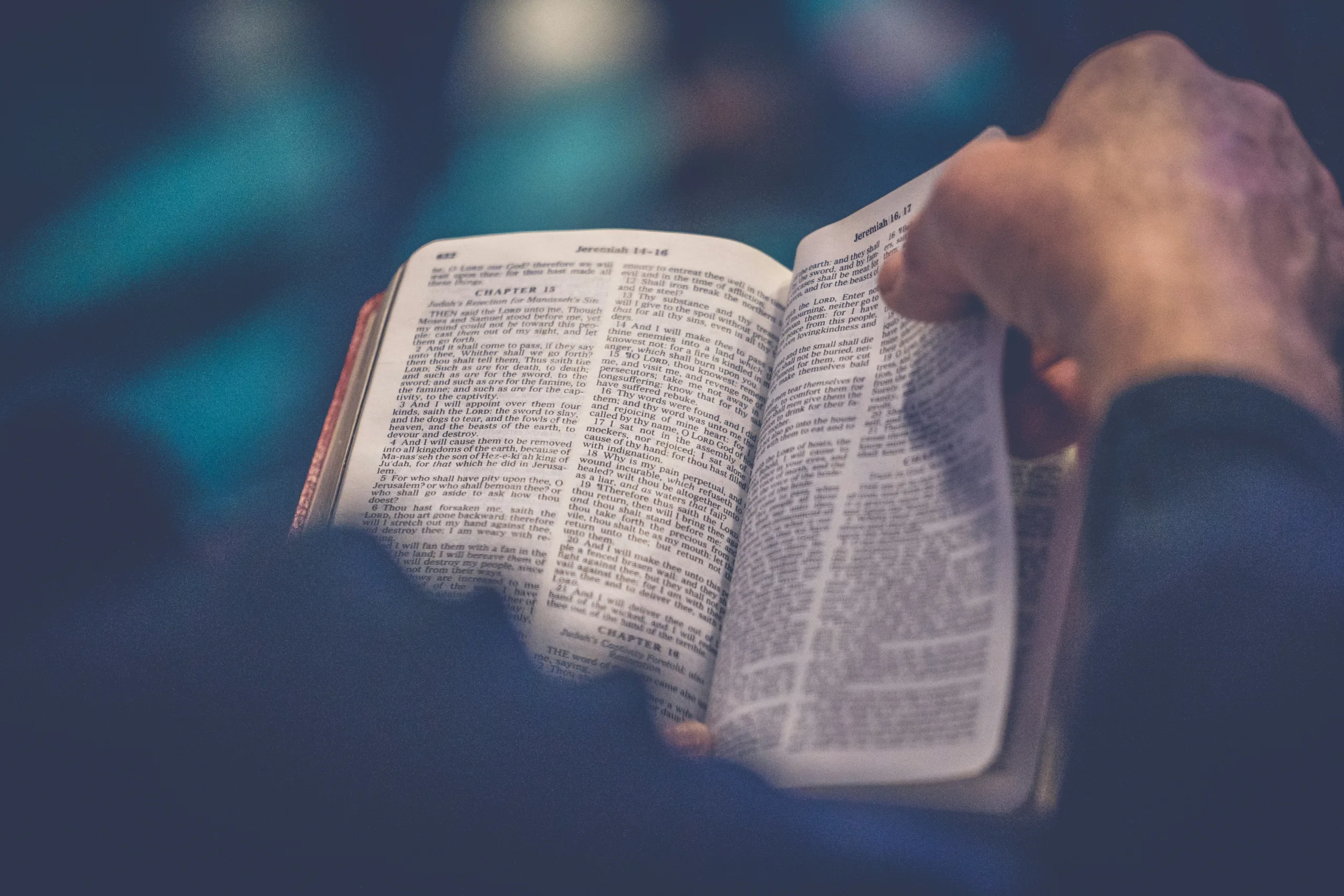
Understanding the Bible: A Brief Overview of its Structure and Internal Connections
Are you looking for an easy way to understand the full Bible in a short amount of time? The Bible is a vast collection of books that can sometimes feel overwhelming, but with a little guidance, you can gain a better understanding of its structure and the internal connections between its books.
The Division of the Bible
The Bible is divided into two main sections: the Old Testament and the New Testament. The Old Testament contains 39 books, while the New Testament consists of 27 books.
The Old Testament is further divided into several categories:
- The Pentateuch: This section includes the first five books of the Bible – Genesis, Exodus, Leviticus, Numbers, and Deuteronomy. These books contain the foundation of the Hebrew faith and provide historical accounts, laws, and teachings.
- The Historical Books: These books, such as Joshua, Judges, and Samuel, narrate the history of the Israelites, including their conquest of the Promised Land, the rise and fall of kings, and the exile.
- The Wisdom Literature: This category includes books like Proverbs, Ecclesiastes, and Job, which offer insights into life, morality, and human nature.
- The Major Prophets: Isaiah, Jeremiah, Ezekiel, and Daniel are considered major prophets. Their writings contain prophecies, warnings, and messages from God to the people of Israel.
- The Minor Prophets: The twelve books from Hosea to Malachi are known as the Minor Prophets. These writings also contain prophetic messages and teachings.
The New Testament can be categorized as follows:
- The Gospels: These books – Matthew, Mark, Luke, and John – narrate the life, teachings, death, and resurrection of Jesus Christ. They provide different perspectives on Jesus’ ministry.
- The Acts of the Apostles: This book, written by Luke, describes the early history of the Christian Church and the spread of the Gospel.
- The Epistles: The New Testament contains 21 letters or epistles written by various apostles, such as Paul, Peter, James, and John. These letters address specific issues, provide guidance, and offer encouragement to early Christian communities.
- The Book of Revelation: This final book of the Bible, written by John, is a prophetic vision of the end times and the ultimate triumph of good over evil.
Internal Connections of the Bible Books
While each book of the Bible can be read and understood on its own, there are also internal connections that weave a cohesive narrative throughout the entire Bible.
One of the most significant connections is the promise of a Messiah or Savior. This promise is first mentioned in the book of Genesis and continues throughout the Old Testament. The New Testament then reveals Jesus Christ as the fulfillment of this promise.
Another connection is the theme of redemption. The Old Testament portrays humanity’s need for redemption due to sin, while the New Testament presents Jesus’ sacrifice on the cross as the ultimate act of redemption.
Additionally, many Old Testament stories and characters foreshadow events and teachings found in the New Testament. For example, the story of Noah’s Ark can be seen as a foreshadowing of baptism, and the Passover in Exodus prefigures the sacrifice of Jesus as the Lamb of God.
Understanding these internal connections can deepen your appreciation for the Bible and help you see the bigger picture of God’s plan for humanity.
While this brief overview provides a starting point for understanding the Bible, it is important to remember that the Bible is a rich and complex text that can be studied and interpreted in various ways. It is always beneficial to engage in further study, seek guidance from trusted sources, and participate in discussions with fellow believers to gain a deeper understanding of the Bible’s teachings.
So, whether you are a beginner or have been studying the Bible for years, take the time to explore its structure and the connections between its books. You may be surprised by the profound insights and wisdom that await you.
-
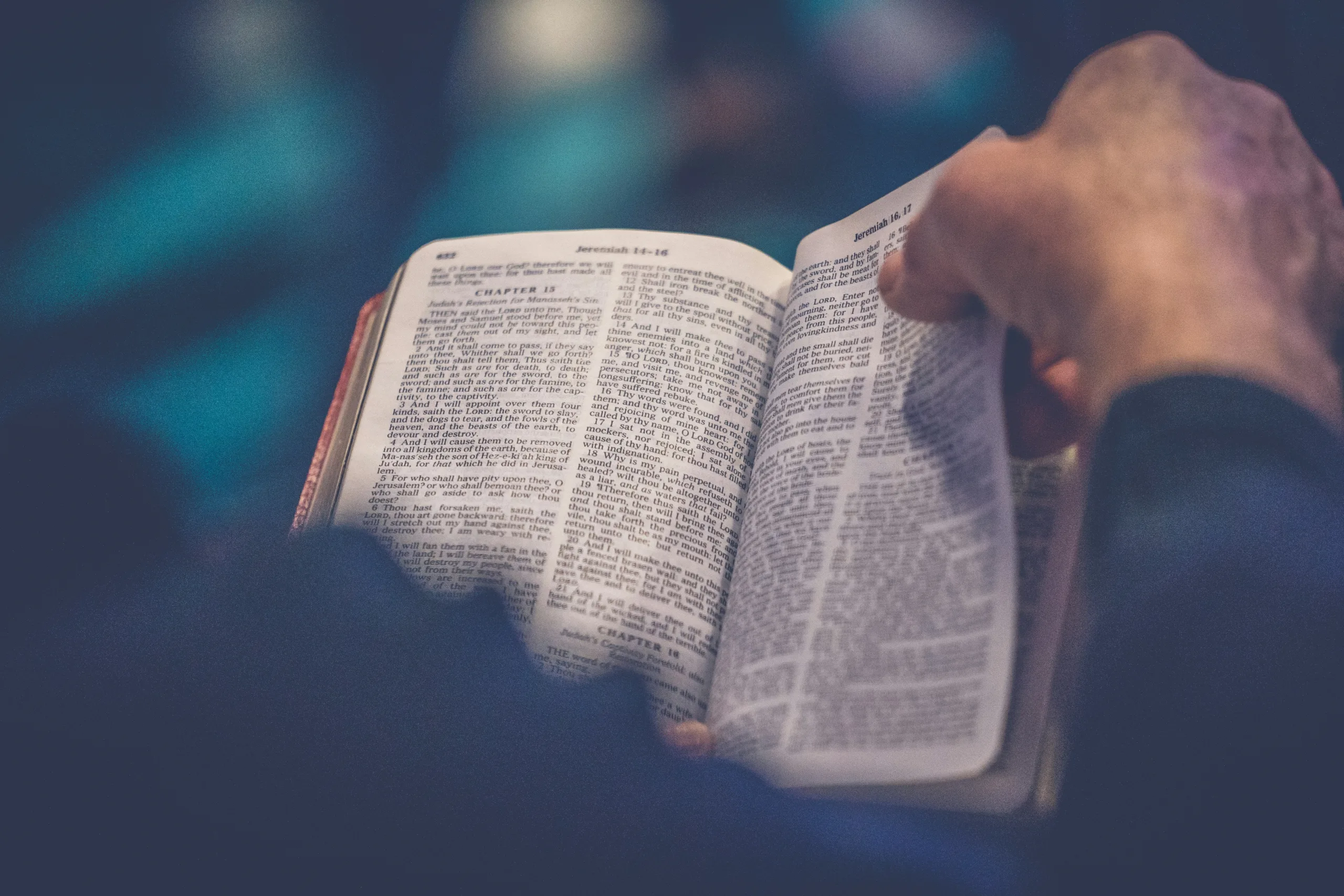
The Importance of Reading the Bible and Its Impact on Christian Life
As a Christian, the Bible holds a special place in our faith. It is not just a book but a divine guide that provides wisdom, encouragement, and guidance for our daily lives. In this blog post, we will explore the importance of reading the Bible and the significant impact it has on the Christian life.
What is the Bible?
The Bible is a collection of sacred texts and scriptures that are considered holy by Christians. It is divided into two main sections: the Old Testament and the New Testament. The Old Testament contains the religious writings of ancient Israel, while the New Testament focuses on the life, teachings, death, and resurrection of Jesus Christ.
The Importance of Reading the Bible
1. Spiritual Nourishment: Reading the Bible is like feeding our souls. Just as our physical bodies need food to survive, our spirits need spiritual nourishment. The Bible provides us with the wisdom, knowledge, and understanding necessary to grow in our faith and relationship with God.
2. Guidance and Direction: The Bible serves as a roadmap for our lives. It provides guidance and direction in making decisions, facing challenges, and overcoming obstacles. Through its teachings, we can find answers to life’s questions and gain insight into God’s will for our lives.
3. Source of Encouragement: Life can be tough, and we all face trials and tribulations. The Bible offers comfort and encouragement in times of difficulty. Its words remind us of God’s faithfulness, love, and promises. By reading the Bible, we can find strength and hope to persevere through the storms of life.
4. Transformation: The Bible has the power to transform our lives. As we read and meditate on its teachings, our hearts and minds are renewed. It challenges us to live according to God’s principles and values, leading us to become more like Christ. Through the Bible, we are continually transformed into better versions of ourselves.
The Impact of Reading the Bible on Christian Life
1. Deepening Relationship with God: The more we read the Bible, the closer we grow to God. It is through the Scriptures that we learn about His character, His love for us, and His plan for salvation. By spending time in His Word, we develop a deeper connection with Him and experience His presence in our lives.
2. Increased Faith: Reading the Bible strengthens our faith. It reminds us of God’s faithfulness throughout history and His promises for the future. As we see His faithfulness in the lives of biblical characters, we are inspired to trust Him in our own lives. Our faith is strengthened as we witness the fulfillment of His promises and experience His goodness firsthand.
3. Renewed Mindset: The Bible has the power to renew our minds and transform our thinking. It helps us align our thoughts with God’s truth and reject worldly perspectives. By meditating on Scripture, we develop a biblical worldview and gain wisdom to make godly choices in every aspect of our lives.
4. Empowered Living: The Bible equips us to live a life empowered by the Holy Spirit. It provides us with the tools we need to resist temptation, overcome sin, and walk in obedience to God’s commands. Through the power of the Word, we are empowered to live a life that brings glory to God and reflects His love to the world.
In conclusion, reading the Bible is of utmost importance for every Christian. It nourishes our spirits, guides our steps, encourages our hearts, and transforms our lives. By reading and studying the Scriptures, we deepen our relationship with God, increase our faith, renew our minds, and live empowered lives. Let us make reading the Bible a daily habit and allow its profound impact to shape us into the image of Christ.
-
Tim Tim Tim Tim tara hai chamka टीम टीम टीम टीम तारा है चमका
Chorus
टीम टीम टीम टीम तारा है चमका
देखो चरनी में आया मसीहVerse 1
प्यार से भरा हुआ
स्वर्गीय तौफा भेजा गया
बचाने इंसान को
उतर आया येशुआVerse 2
राज कर्ता दुनिया पर
हर दिल को है जीत लिया
पापों से मुक्ति देकर
हमको खुदा के समीप कियाBridge
तोह आओ हम चलें
उसको निहारने
आया मसीह
हमको बचनेChorus
Tim Tim Tim Tim tara hai chamka
Dekho charni mein aaya MasihaVerse 1
Pyaar se bhara hua
Swargiya taufa bheja gaya
Bachane insaan ko
Utar aaya YeshuaVerse 2
Raj karta duniya par
Har dil ko hai jeet liya
Paapon se mukti dekar
Humko Khuda ke sameep kiyaBridge
Toh aao hum chalein
Usko nihaarne
Aaya Masiha
Humko bachaneComposed By: Sandeep Peter & the Songwriting team
Modified By: Emmanuel Joseph, Akashdeep -
अति सुंदर, तू वर्णन से परे Ati suandara, tū varṇan se pare
अति सुंदर, तू वर्णन से परे
लफ़जो के लिए भी अदभुत
बयान के भी है तू अपार
देखा ना सुना है कभीसमझे कैसे, तेरा ज्ञान है असीम
कौन नापे, तेरे गहरे प्रेम को
अति सुंदर, तू वर्णन से परे
तेजस्वी राजा विराजमानमैं खड़ा, हूँ खड़ा, तेरी आदर में
मैं खड़ा, हूँ खड़ा, तेरी आदर में
पवित्र खुदा, तारीफ़ के काबिल
हूँ खड़ा, तेरी आदर मेंमैं खड़ा, हूँ खड़ा, तेरी आदर में
मैं खड़ा, हूँ खड़ा, तेरी आदर में
पवित्र खुदा, तारीफ़ के काबिल
हूँ खड़ा, तेरी आदर मेंAti suandara, tū varṇan se pare
Lafajo ke liye bhī adabhuta
Bayān ke bhī hai tū apāra
Dekhā nā sunā hai kabhīSamaze kaise, terā jnyān hai asīma
Kaun nāpe, tere gahare prem ko
Ati suandara, tū varṇan se pare
Tejasvī rājā virājamānamain khaḍaā, ha khaḍaā, terī ādar main
main khaḍaā, ha khaḍaā, terī ādar main
Pavitra khudā, tārīfa ke kābila
Ha khaḍaā, terī ādar mainmain khaḍaā, ha khaḍaā, terī ādar main
main khaḍaā, ha khaḍaā, terī ādar main
Pavitra khudā, tārīfa ke kābila
Ha khaḍaā, terī ādar main